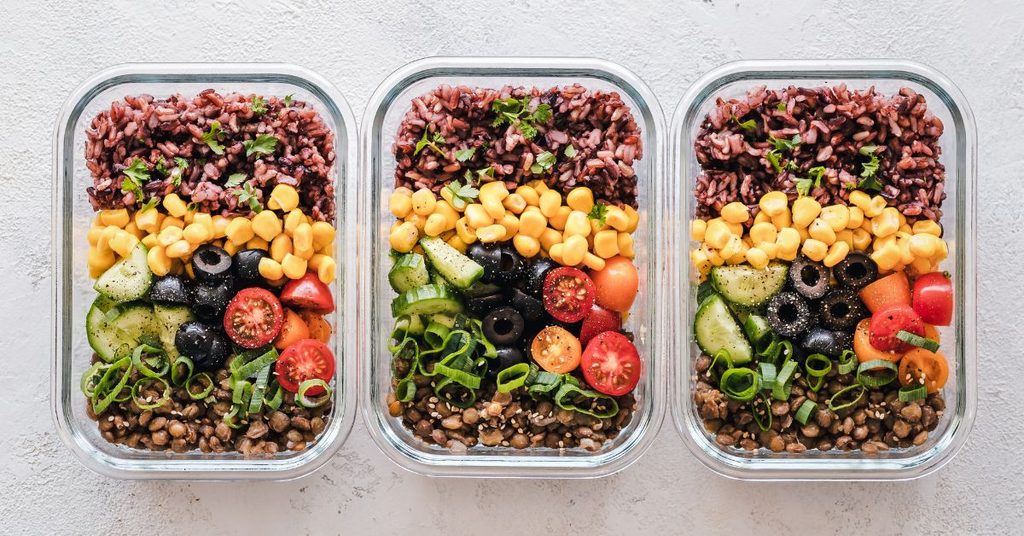
It’s Sunday night, and you swore to yourself that this is the week you eat better. More specifically, you told yourself that lunch will no longer be a handful of the kids’ crackers eaten standing over the counter. Then Monday rolls around. And Tuesday. And by Wednesday, your good intentions are a wilted bag of spinach liquefying in the back of the fridge. I’ve been there. I’ve also figured out how to prepare salads so I stopped running into this issue.
Meal prep is thinking now, so lunch is handled later. It helps you eat better, save some money, and skip the daily 4:47 pm fridge stare. The thing is that most other dishes prep beautifully. Salads, on the other hand, feel like the one thing everyone swears you can’t make ahead without it turning to mush (spoiler: you can). It took me a few years of trial and error and sub-par office lunches to land on a system, but I did nail one down. So now, I’m sharing that system with you.
I prepped salads like this for years, back when Sergio and I had more time (pre-kids, when “free time” was a thing I had and didn’t appreciate). The method still works whether you’re on autopilot or have a little extra free time. Regardless, here’s how to meal prep your salads so you can enjoy them throughout the week.
Affiliate Disclaimer: This page contains affiliate links. If you make a purchase through these links, I may earn a small commission at no extra cost to you. I only recommend products I personally use and love. Thank you for supporting my family!
How to Meal Prep Salads That Actually Hold Up
When it comes to meal-prepping salads, I’ve found that knowing what to prep ahead of time makes all the difference. You don’t need to spend hours in the kitchen on Sunday, but you do need to be a little strategic about what goes into the fridge and when. Some ingredients can sit in the fridge for a few days without a problem. Others will turn into a wilted, squishy mess if you prep them too early.
I’ll share how I prep my ingredients, what I use to store them, and how long everything lasts. I’ve also picked up a few shortcuts over the years for those weeks when I have absolutely no interest in hand-chopping vegetables.
Just for reference, I don’t make a week’s worth of finished salads all at once, and you don’t have to either. I prep what I can, keep everything separate, and throw together whatever sounds good when lunchtime rolls around. It’s a pretty simple routine, and I like that I don’t have to think too much about lunch once the week gets going.
Can You Meal Prep Salads
Yes, you can meal prep salads. And with the right strategies, salads store much better than people expect. Like I mentioned above, my method was never about making full salads for the whole week.
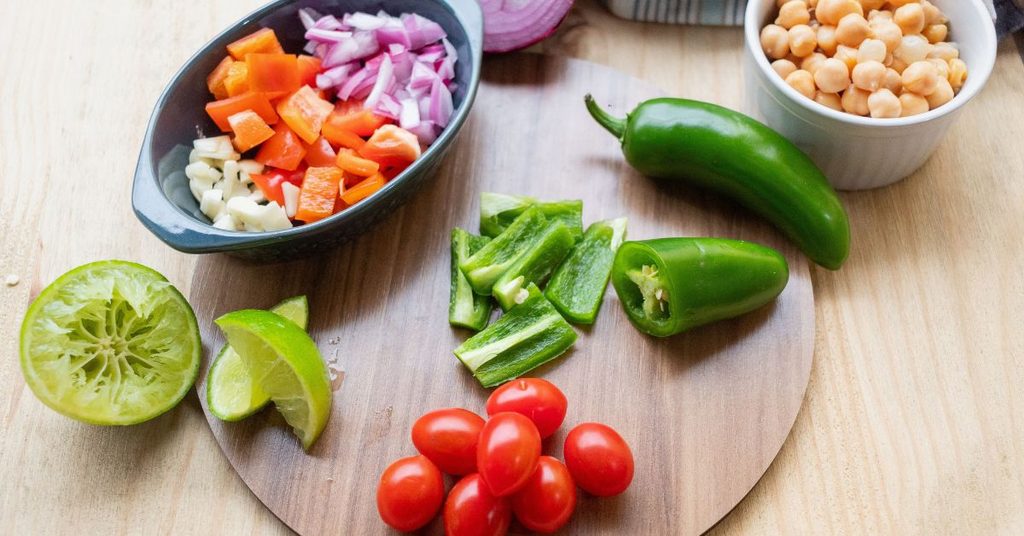
I batch the salad ingredients that do well in the fridge for days (wash a big bunch of kale, cook a large pot of quinoa), then assemble 2 or 3 salads at a time. Sometimes I put everything together the night before; other times I wait until lunchtime, especially if I’m working from home. Most sturdy veggies and ingredients like cooked quinoa hold up pretty well in the fridge, so there’s no rush to use them immediately.
The ingredients that don’t last as long are a different story. For example, if I’m adding an apple, I cut it the night before or right before lunch so it doesn’t go brown and mushy. A little prep at lunchtime is worth it if it means I’m actually going to enjoy my salad.
How to Meal Prep Salads Without Them Getting Soggy
A soggy salad is typically the result of two things: water on your greens and dressing sitting on everything for days. Aside from that, here are the habits that keep a prepped salad fresh:
Prep Your Salad Ingredients in Batches
Batch prepping lunches is one of the easiest ways I’ve found to make weekday lunches less of a hassle. And no, when I say “batch prepping,” I don’t mean cutting everything and putting it all together at the same time. Instead, wash and dry your greens, chop your sturdy vegetables (carrots, bell peppers, cucumbers, cabbage), and cook a big batch of a grain like quinoa or farro. These tend to hold up well throughout the week, and you can just build on top of them, so to speak.
A veggie chopper is incredibly helpful when I batch prep. I use one with a few blade sizes so I can dice or slice depending on the salad.
If you’re doing a lot of chopping, having the right tool makes the whole process a little less tedious. This adjustable veggie chopper with multiple blade sizes is the one I reach for, and this simpler, cheaper chopper works fine, too. Either way, it’s nice to get all the chopping and ingredient prepping out of the way at once instead of pulling out the cutting board every time you want lunch.
Handle Your Protein Separately
Protein doesn’t last all week, so I split it. On Sunday I’d cook enough chicken to get me through Wednesday. Then I’d make another batch on Wednesday night for Thursday and Friday. I’d also make extra chicken with dinner that night, so I didn’t have to cook a separate meal.
It made meal planning a lot easier, and I didn’t have to worry about chicken sitting in the fridge for too long. According to USDA guidelines, cooked chicken lasts about three to four days in the fridge, so cooking another batch halfway through the week works out pretty well.
Keep a Bagged-Salad Shortcut for Low-Effort Weeks
These days, I’m in a low-effort meal-prep season. Between work, kids, and everything else going on, sometimes I just want lunch to take five minutes. That’s when I grab a bagged salad, add some leftover protein from dinner, and throw in a microwave pouch of quinoa (or a batch I already cooked). If I have cucumbers or bell peppers left over from making the kids’ lunches, those go in, too.
I love a good bagged salad kit, and I’m not super picky about making everything from scratch. My favorites are the sweet kale and kale crunch, the sunflower crunch, the Asian chopped, and the Mediterranean. I don’t always use the dressing that comes with the kit, either. Sometimes I’ll just add olive oil, a little balsamic or red wine vinegar, and salt. That’s how my Nana always dressed her salads, and I still make them that way all the time.
Keep the Salad Dressing on the Side
Dressing always goes on the side until you’re ready to eat. Always. If you cover your greens in dressing, the oils and acids draw out their moisture in hours. Undressed greens, on the other hand, keep for days. You can use anything from a small container to a tiny jar to the dressing cup that comes with the kit.
Dry Your Greens in a Salad Spinner
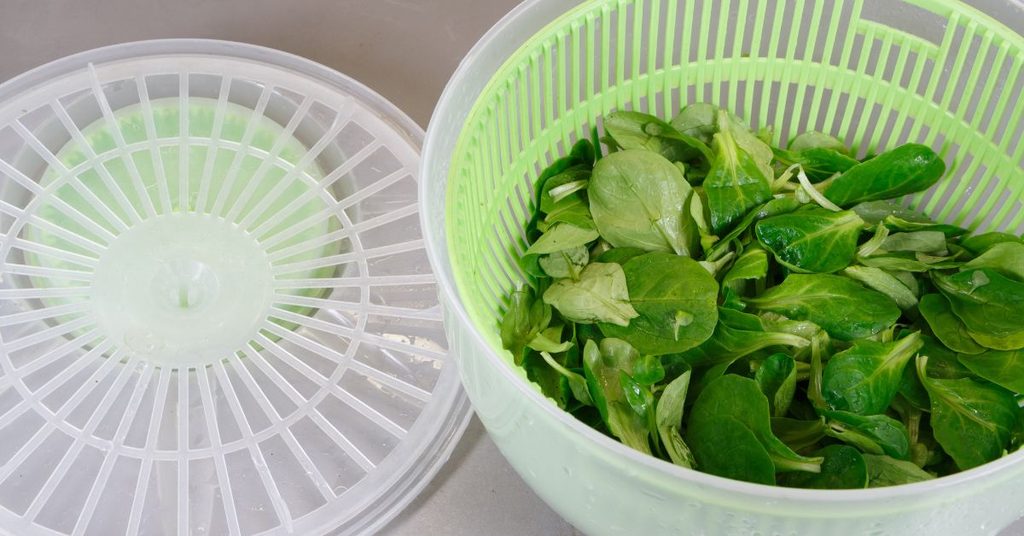
Water is not your green’s friend. When I prep greens, I wash them, then run them through a salad spinner to dry them thoroughly. Dump the excess water, then store the greens right in the spinner with a couple of paper towels tucked in. The paper towels absorb what the spinner misses, and your greens stay fresh all week. I use and recommend this OXO salad spinner that has a non-slip base. My Nana used one, too, and anything my Italian grandmother did while cooking is usually a habit I adopt.
Use Compartment Containers to Prep and Store
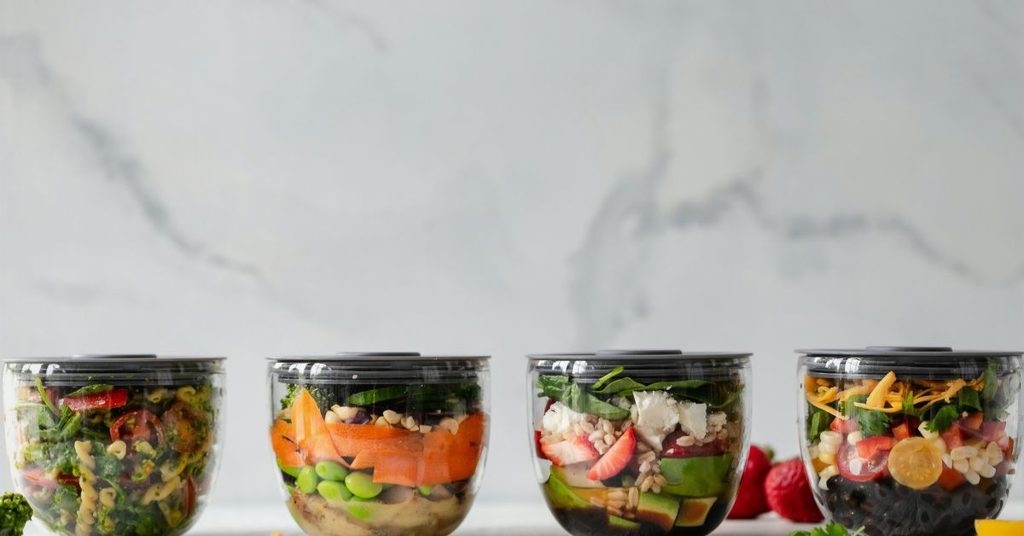
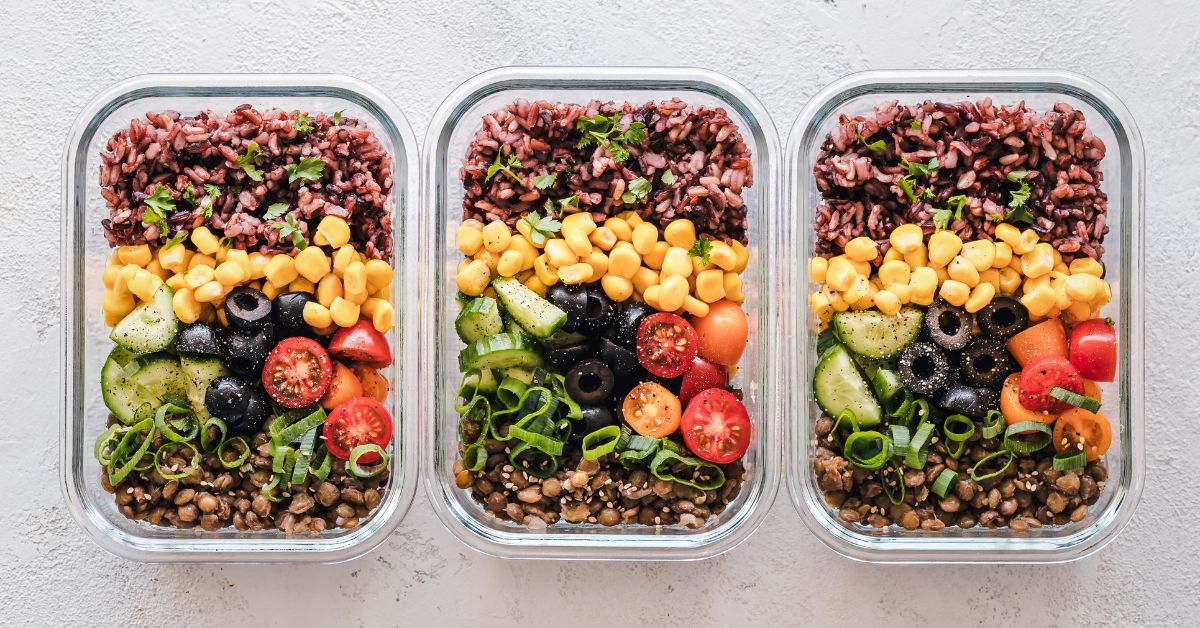
I like using salad containers with separate compartments, especially when I’m packing lunch to take somewhere. You can keep your greens, protein, grains, and dressing separate until you’re ready to eat, which helps keep everything from getting soggy.
I personally like the Bentgo compartment salad container and, if you prefer glass, the Bentgo glass salad container. They’re a bit more of an investment than generic food storage containers, but if you pack salads a few times a week, I think they’re worth it.
Try a Mason Jar Salad
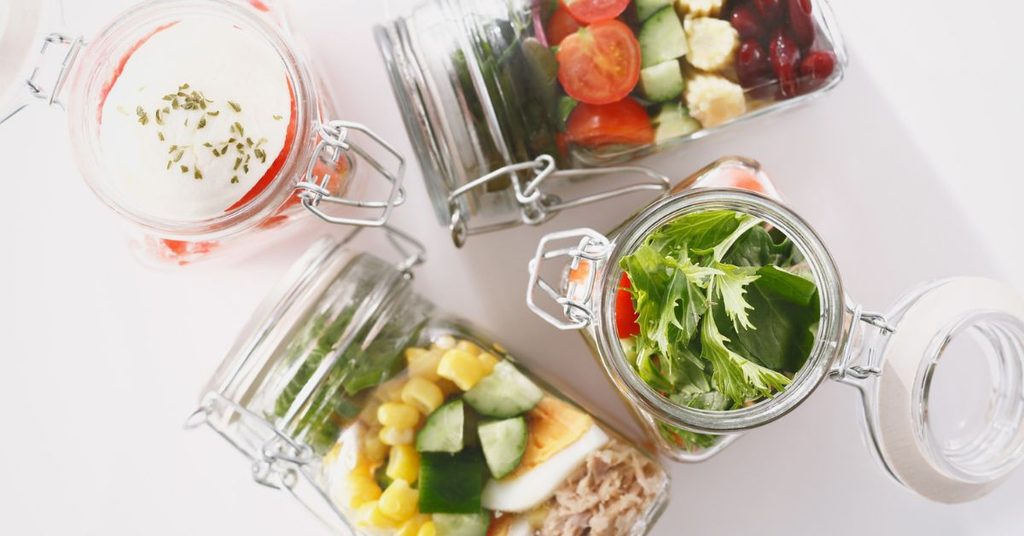
I’ve never done mason jar salads myself, but plenty of people love them. They’re easy, convenient, and since the greens sit up top, away from the dressing, they can hold for a few days in the fridge.
To do it, layer a mason jar “backwards.” Put the salad dressing on the bottom, add sturdy veggies, grains, and protein in the middle, then pack the greens on top. When you’re ready to eat, you tip it into a bowl, and everything lands in the right order. It’s a quick system for prepping a salad you can grab straight from the fridge.
Store Produce in Containers That Fight Soggy Greens
If you want to prep your produce in advance, do yourself the favor and invest in good produce storage containers. Quality containers do double duty: they keep things from getting soggy, AND they cut down on food waste. I use Rubbermaid FreshWorks produce containers for washed greens and chopped veggies and have noticed a major difference. The right storage is the difference between a fridge full of usable salad ingredients and a drawer full of regret (trust me on this one).
How Long Do Meal Prep Salads Last?
Most prepped salad ingredients last about four to five days in the fridge if you store them dry and keep the dressing separate. Washed, well-dried greens last several days in a container lined with paper towels. Cooked quinoa and chopped veggies like bell peppers and carrots keep a good five days or so.
The protein is what you need to watch, not the vegetables. As I mentioned earlier, cooked chicken lasts about three to four days in the fridge, which is why I cook it twice a week instead of once. And anything that browns easily, like apples or avocado, I save for the night before or right before I eat.
If you want a few more easy meals and salad recipes that follow the same approach, check out my roundup of easy dinner staples and lunch meal prep ideas. (The Harvest Salad in the second post is one of my favorites.)
Your Simple Plan to Prep Salads and Keep Them Fresh
Prepping salads doesn’t have to be as disappointing as you always assumed it would be. Prep ingredients that keep well in the fridge, handle your protein in two batches throughout the week, keep the salad dressing on the side, and store everything dry in compartment containers. Also, don’t forget to mix and match your salad ingredients so lunch doesn’t get boring.
If that feels like a lot, start with one thing this week and go from there. Wash and spin a bunch of greens on Sunday, then store them with paper towels, or chop your veggies and put them in containers. One step is enough to make the rest of the week easier. You don’t need a perfect system. You need lunch handled, and now you’ve got it.
If you want to lighten the mental load, The Simplified Membership™ keeps the seasonal deadlines, planning pages, and my “Ask Like a Mom™” AI prompt library in one place. You can also grab my free planning page. You don’t have to balance everything in your head, especially when a million other things are already competing for your attention.
Erica O’Connor
Pin these to your meal prep board to come back to later.

Leave a Reply